Eco-Friendly Materials Worth Considering
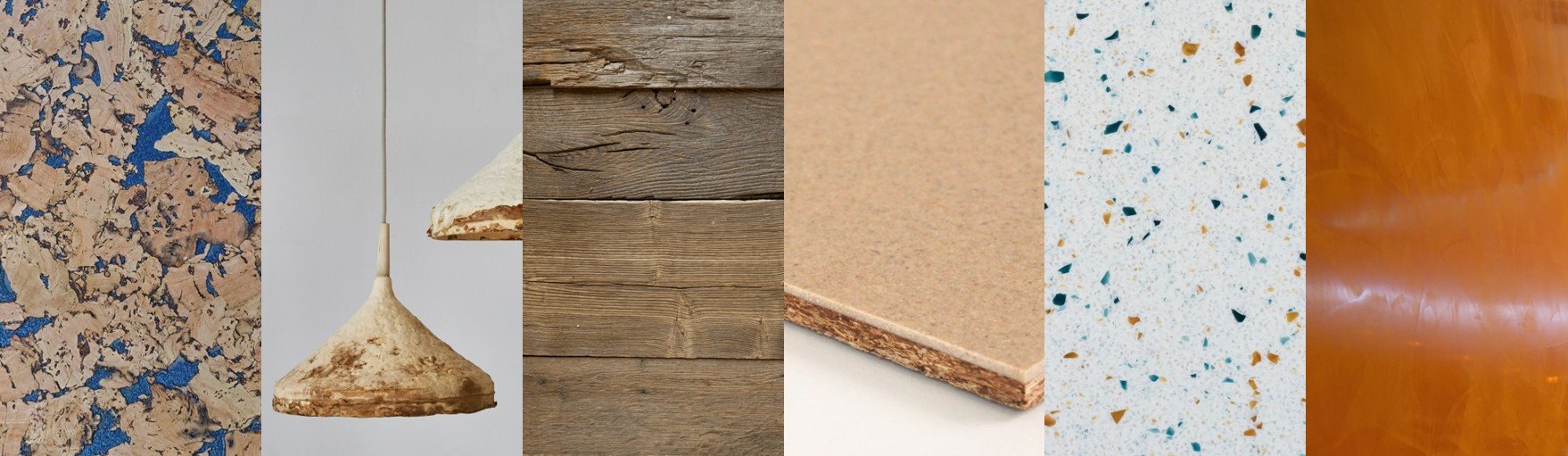
Sustainability is no longer just a trend—it's becoming an essential consideration in interior architecture. As designers and clients alike seek to reduce environmental impact, innovative materials are emerging that combine aesthetics, performance and responsible sourcing.
Whether you're planning a residential renovation, a commercial fit-out or simply looking to make more conscious design choices, here are some of the most exciting eco-friendly materials worth considering.
Cork
Harvested from the bark of the cork oak tree without harming the tree itself, cork is one of the most renewable materials available. The bark regenerates every nine years, making it an exceptionally sustainable resource. Beyond its environmental credentials, cork offers excellent thermal and acoustic insulation, making it ideal for flooring, wall cladding and furniture. Its warm texture adds a natural softness to interiors while remaining durable and comfortable underfoot.
Cork products are available in a wide range of finishes, from contemporary minimalism to rich, organic textures, proving sustainability doesn't have to compromise style.
Mycelium
One of the most innovative sustainable materials on the market is mycelium—the root structure of fungi. Rather than being manufactured through energy-intensive processes, mycelium is grown into moulds using agricultural waste as its food source. The result is a lightweight, biodegradable material with impressive strength and insulation properties. While still an emerging product within mainstream interiors, mycelium is already being used for acoustic panels, lighting, decorative objects, flooring and furniture components.
Its low-carbon production process and compostable end-of-life make it a fascinating alternative to traditional plastics and foams.
Recycled Plastic Solid Surfaces
Plastic waste is one of the world's greatest environmental challenges, but innovative manufacturers are transforming discarded bottles, packaging and industrial plastics into beautiful solid surface materials. As well as diverting waste from landfill and oceans, these materials often offer excellent durability, moisture resistance and low maintenance requirements.
These recycled surfaces can be fabricated into kitchen worktops, bathroom vanities, reception desks and bespoke furniture. Many feature colourful flecks or terrazzo-like patterns created from the recycled content, giving each installation a unique character.
Reclaimed Timber
Salvaged from old buildings, warehouses, railway sleepers or industrial structures, reclaimed timber gives new life to existing resources rather than requiring freshly harvested trees. Every plank tells a story through its knots, grain and weathered patina. It's ideal for flooring, feature walls, shelving, bespoke furniture and exposed beams. Choosing reclaimed timber also helps preserve forests while reducing the energy associated with processing new wood.
Bamboo
Bamboo has become one of the most popular sustainable building materials due to its remarkable growth rate. Some species mature in as little as three to five years, compared with decades for hardwood trees. Modern manufacturing techniques have transformed bamboo into flooring, cabinetry, worktops and decorative panels that rival traditional hardwoods in both appearance and durability. When sourced responsibly, bamboo offers an attractive balance of sustainability, strength and contemporary style.
Recycled Glass Surfaces
Crushed recycled glass can be combined with cement or resin binders to create stunning worktops, splashbacks and wall finishes. The embedded glass fragments catch the light beautifully, adding texture and visual interest to kitchens, bathrooms and commercial interiors.
Using recycled glass reduces landfill waste while creating surfaces that are both durable and easy to maintain.
Linoleum: A Natural Alternative to Vinyl
Often mistaken for vinyl, true linoleum is made from natural ingredients including linseed oil, wood flour, cork dust, limestone and jute. Its durability, antibacterial properties and long lifespan make it an excellent flooring choice for homes, schools, healthcare environments and offices. Available in a vast palette of colours and patterns, modern linoleum has evolved far beyond the traditional styles many people remember.
Hemp-Based Materials
Hemp is another rapidly renewable resource finding its place in sustainable interior design. Hemp fibres are used in insulation, acoustic panels, textiles and composite boards. These materials typically require fewer pesticides and less water than many conventional crops while offering excellent performance and carbon storage potential during growth.
Natural Clay and Lime Finishes
Clay plasters and lime-based finishes provide beautiful textured walls while improving indoor air quality. These breathable materials naturally regulate humidity, reducing condensation and creating healthier living environments. Unlike many synthetic paints and coatings, they contain very low levels of volatile organic compounds (VOCs), contributing to improved occupant wellbeing. Their subtle colour variations and handcrafted appearance also bring depth and authenticity to contemporary interiors.
Designing for the future
Sustainable interior architecture is about more than choosing environmentally friendly materials—it's about designing spaces that last. Durable finishes, adaptable layouts and timeless design reduce the need for frequent refurbishment, ultimately lowering a building's environmental footprint. By combining innovative materials such as mycelium and recycled plastic solid surfaces with timeless natural options like cork, reclaimed timber and clay finishes, Palette & Space can create interiors that are both beautiful and responsible.
As manufacturers continue to innovate, the range of sustainable materials available is expanding rapidly, making it easier than ever to deliver exceptional spaces without compromising environmental values. The future of interior design isn't simply about looking good—it's about making choices that support healthier homes, healthier communities and a healthier planet.