Designing Homes with Wellness in Mind
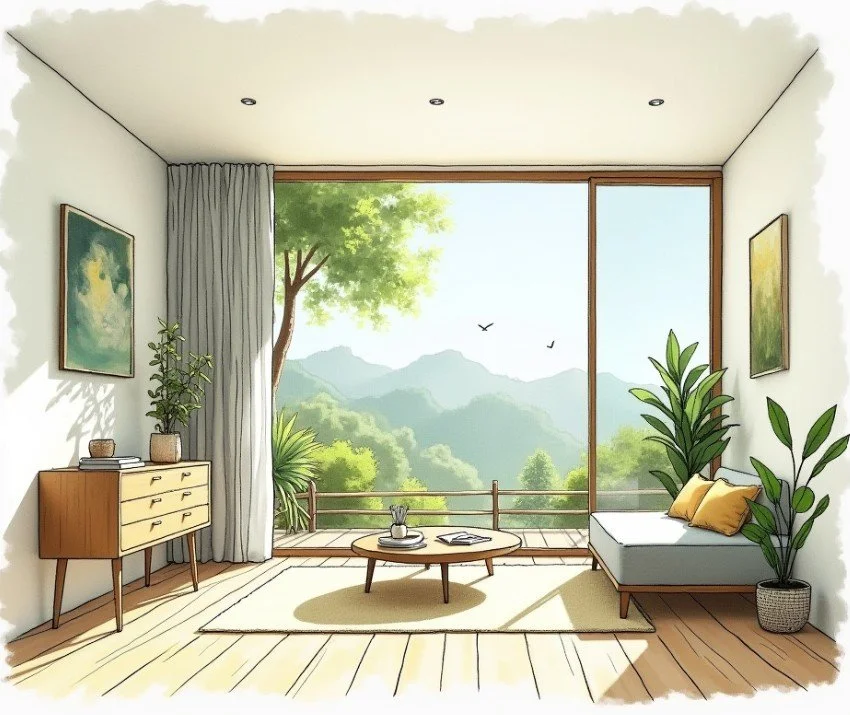
Our homes have become much more than places to eat and sleep. They are now where we work, relax, exercise, entertain, and recharge. As a result, interior architecture has evolved beyond aesthetics and functionality to embrace a more holistic approach—one that prioritises wellbeing alongside beautiful design.
Designing with wellness in mind isn't simply about creating luxurious spaces; it's about making homes healthier, more comfortable, and better suited to the way we live every day. Thoughtful interior architecture can positively influence our physical health, mental wellbeing, and overall quality of life.
The importance of natural light
Natural daylight is one of the most powerful elements in a healthy home. It helps regulate our circadian rhythm, improves mood, enhances productivity, and can even contribute to better sleep.
During the design process, careful consideration is given to how light moves through a property throughout the day. Larger windows, rooflights, glazed doors, and open-plan layouts can maximise daylight, reducing the need for artificial lighting while creating brighter, more uplifting interiors.
In the UK, where daylight hours fluctuate significantly throughout the year, making the most of available natural light becomes even more valuable.
Creating natural conditions in architecture
The concept of biophilic design has gained considerable attention in recent years. Humans naturally respond positively to environments that connect us with nature.
Interior architecture can strengthen this connection through features such as:
Large windows framing natural views
Internal courtyards and light wells
Natural materials like timber, stone, and clay
Indoor planting integrated into the design
Seamless transitions between indoor and outdoor living spaces
These elements create calmer, more restorative environments while adding warmth and character to the home.
Designing for better air quality
Healthy homes begin with healthy air.
Poor ventilation can contribute to excess moisture, mould growth, and a build-up of indoor pollutants. Modern interior architecture considers airflow from the earliest design stages, ensuring homes remain comfortable and well ventilated throughout the year.
This may include:
Improved natural cross ventilation
Mechanical ventilation with heat recovery (MVHR)
Carefully selected low-VOC paints, finishes, and adhesives
Sustainable, non-toxic building materials
Together, these choices create healthier indoor environments while improving long-term energy efficiency.
Flexible spaces for modern living
The way we use our homes continues to evolve. Many households now require spaces that can adapt throughout the day—from home offices and study areas to fitness zones and quiet retreats.
Rather than creating rooms with a single purpose, thoughtful interior architecture focuses on flexibility.
Sliding partitions, bespoke joinery, multifunctional furniture, and adaptable layouts allow spaces to evolve alongside changing lifestyles, helping homes remain practical for years to come.
Reducing clutter through intelligent storage
Visual clutter can increase stress and make even generous homes feel smaller.
Well-designed storage is one of the simplest ways to support everyday wellbeing. Integrated cabinetry, hidden utility areas, under-stair storage, and bespoke wardrobes allow belongings to be organised without compromising the overall aesthetic.
When everything has its place, daily routines become smoother, and interiors feel calmer and more spacious.
Acoustic considerations
Noise is often overlooked during the design process, yet it has a significant impact on wellbeing.
Whether it's external traffic, neighbouring properties, or sound travelling between rooms, poor acoustics can affect concentration, relaxation, and sleep quality.
Interior architects can improve acoustic comfort through:
High-performance glazing
Acoustic insulation within walls and floors
Soft furnishings and textured finishes
Carefully planned room layouts
Sound-absorbing materials where appropriate
The result is a home that feels peaceful, private, and comfortable.
Colour palette
Colour has a powerful influence on how we experience a space.
Soft neutrals, earthy tones, muted greens, warm whites, and calming blues can create relaxing environments, while richer colours may add warmth, energy, or sophistication depending on the room's purpose.
Rather than following short-lived trends, selecting a considered, timeless palette helps create interiors that remain enjoyable for years to come.
Materials
The materials we are exposed to every day shape our experience of a home.
Natural timber, textured stone, wool carpets, linen fabrics, and handcrafted finishes bring warmth, authenticity, and tactile comfort into interior spaces. Beyond aesthetics, durable, sustainable materials often age more gracefully and contribute to healthier indoor environments.
Investing in quality materials creates homes that not only look beautiful but also feel comfortable to live in.
Wellness & sustainability go hand-in-hand
Many principles of wellness-focused design naturally align with sustainable architecture.
Maximising daylight reduces reliance on artificial lighting. Efficient insulation improves thermal comfort while lowering energy bills. Natural materials often have lower environmental impacts, and thoughtful spatial planning ensures homes remain adaptable over time.
By designing with longevity in mind, homeowners benefit from spaces that are healthier, more efficient, and built to last.
Designing for everyday living
Wellness-focused interior architecture isn't about adding luxury features for the sake of appearance. It's about understanding how people move through their homes, how they interact with spaces, and what helps them feel comfortable, relaxed, and supported in everyday life.
Whether renovating a period property, extending a family home, or designing a new build, placing wellbeing at the heart of the design process creates spaces that are both beautiful and genuinely enjoyable to live in.
The most successful homes don't simply impress visually—they improve the way we live, every single day.