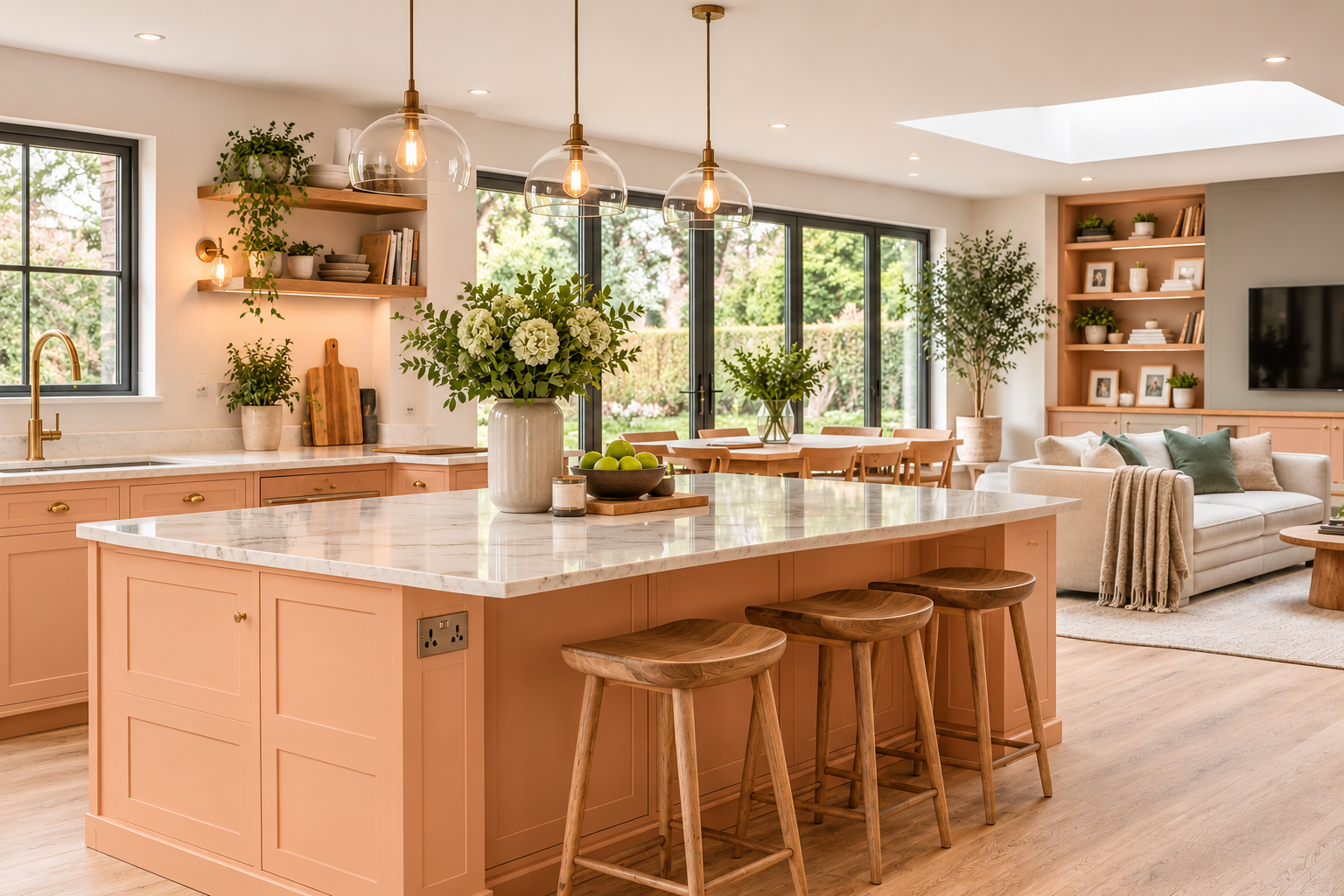
The best-designed homes aren't simply beautiful to look at. They're thoughtfully designed around the people who live in them.
A home should feel like a natural extension of the people who inhabit it. It should support your routines, reflect your personality and make everyday life feel that little bit easier. Yet, when it comes to designing or renovating a home, it's surprisingly easy to become caught up in trends, beautiful imagery and carefully styled interiors, without first considering how a space will actually be used.
At its heart, good interior architecture is about understanding the relationship between people and the spaces they occupy. It's about looking beyond how a room will photograph and considering how it will function on a Monday morning, during a busy family weekend or when you're finally sitting down to relax at the end of the day.
Designing a home around the way you actually live means putting lifestyle, functionality and individuality at the centre of every design decision.
Start With How You Live, Not How You Want Your Home to Look
Inspiration is an important part of any interior design journey. Pinterest boards, architectural references, material samples and beautiful interiors can all help establish a creative direction. However, before choosing colours, finishes or furniture, it's worth taking a step back and considering how you use your home. Think about your daily routines. Where does everyone naturally gravitate towards? Do you work from home? Do you love entertaining friends and family? Is the kitchen the heart of your household, or is the living room where you spend most of your time?
Perhaps you need a quiet space to retreat to, somewhere for children to play, or additional storage to make everyday living feel less cluttered. These details might seem small, but they have a significant influence on how a home should be designed.
An effective interior architecture scheme begins with listening, observing and understanding. By identifying what works, what doesn't and what could work better, it's possible to create a design that feels considered, intuitive and genuinely personal.
Create Spaces That Work Harder for You
One of the biggest misconceptions about interior design is that functionality and aesthetics are competing priorities. In reality, the most successful interiors bring the two together.
A beautifully designed kitchen, for example, should be more than an impressive collection of cabinetry, surfaces and carefully selected lighting. It should also support the way you cook, entertain, move around and interact with others. Consider how the layout influences everyday activities. Is there enough preparation space? Is storage positioned where you need it? Can several people comfortably use the kitchen at once?
The same thinking applies throughout the home. A well-planned entrance can incorporate practical storage without compromising on the first impression. A living space can accommodate both relaxed evenings and social gatherings through thoughtful furniture placement and flexible lighting. A bedroom can become a calming retreat through considered proportions, material choices and carefully integrated storage.
Good spatial planning makes everyday activities feel effortless. It removes unnecessary obstacles and allows each room to fulfil its purpose without sacrificing its character.
Rethink the Way Your Spaces Connect
The relationship between rooms is just as important as the design of each individual space. Modern living rarely follows a rigid structure. Kitchens become social spaces, dining tables double as workstations and spare bedrooms often serve several purposes. Our homes need to adapt to these changing demands.
This is where thoughtful interior architecture can make a real difference. Rather than treating every room as a separate entity, consider how the home works as a whole. How do people move between spaces? Where does natural light enter? Are there opportunities to improve sightlines, create better connections or introduce a greater sense of openness?
Sometimes this might mean removing an unnecessary partition to create a more connected kitchen and dining area. In other instances, it could involve introducing subtle zoning, sliding doors or changes in floor finishes to give an open-plan space a clearer sense of purpose. The objective isn't necessarily to create more open space. It's to create the right spaces, with the right relationships between them.
Design for the Everyday, Not Just the Special Occasion
It's easy to imagine how a home will look when everything is perfectly styled. The cushions are in place, surfaces are clear and the lighting is just right. But what about the rest of the time?
A truly successful home needs to accommodate real life. The shoes by the door, the bags that need somewhere to go, the laundry that never quite disappears and the everyday objects that make a house feel lived in. Practical considerations should never be an afterthought. Bespoke joinery, integrated storage and carefully considered layouts can help create a home that feels calm and organised without becoming overly minimal or impersonal.
Think about incorporating concealed storage into awkward corners, designing cabinetry around existing architectural features or creating dedicated spaces for items that would otherwise clutter surfaces. When storage is integrated into the architecture of a room, it becomes part of the overall design rather than something that needs to be added later. The result is an interior that looks beautiful while remaining practical, comfortable and easy to maintain.
Choose Materials That Reflect Your Lifestyle
Material selection plays a significant role in shaping the atmosphere of a home. But beyond colour, texture and appearance, it's important to consider how materials will perform over time. A family home with young children might benefit from durable flooring, hardwearing worktops and fabrics that are easy to care for. A quieter home designed for relaxation might lend itself to softer textures, natural materials and a more understated palette.
Consider how different materials feel, age and respond to everyday use. Natural stone, timber, linen and textured finishes can bring warmth, depth and character to an interior. Their appeal often lies in their individuality and the way they develop a sense of patina over time.
The key is to select materials that complement both the architectural character of the property and the lifestyle of the people living within it. Rather than choosing finishes simply because they're currently fashionable, invest in a considered material palette that feels timeless, cohesive and personal.
Lighting That Supports the Rhythm of Your Day
Lighting is one of the most influential elements of interior architecture, yet it's often underestimated during the design process. A single overhead light rarely provides everything a room needs. Instead, a layered lighting scheme can transform how a space looks and feels throughout the day. Think about the different activities that take place in each room and how lighting can support them.
In the kitchen, practical task lighting is essential for preparation and cooking, while softer pendant or ambient lighting can create a more relaxed atmosphere when entertaining. In living spaces, a combination of architectural lighting, table lamps and floor lamps can offer flexibility as the day progresses. Bedrooms benefit from softer, more considered lighting that encourages relaxation, while carefully positioned lighting in hallways and entrances can create a welcoming first impression.
Natural light should also be considered from the earliest stages of the design. Window positioning, internal glazing, reflective surfaces and spatial layouts can all influence how daylight moves through a home. A thoughtful lighting scheme doesn't simply illuminate a room. It helps establish its mood, purpose and character.
Make Your Home Personal
Trends can provide inspiration, but they shouldn't dictate how a home looks or feels. The most memorable interiors are often those that tell a story. They incorporate meaningful objects, treasured artwork, collected pieces and materials that reflect the people who live there.
Personalisation doesn't mean filling every surface or following a particular design style. It's about making considered choices that give a space individuality. Perhaps it's a reading nook designed around a favourite chair, a collection of artwork that brings colour into a neutral interior, or a bespoke shelving arrangement that displays objects gathered over many years.
These details help create an emotional connection with a space. A home should never feel like a showroom that could belong to anyone. It should feel distinctly yours.
Design for the Life You'll Have Tomorrow
While understanding your current lifestyle is essential, good interior architecture also considers how your needs might change over time. A home designed around today's requirements should still have the flexibility to adapt to tomorrow's. Perhaps your working arrangements will change, your family will grow or you'll want to make better use of spaces that currently feel underutilised. Thinking ahead can help avoid unnecessary alterations in the future.
Flexible layouts, adaptable rooms, considered storage and accessible design features can all contribute to a home that evolves alongside you. This doesn't mean trying to predict every possible change. Instead, it means making thoughtful design decisions that provide flexibility without compromising the overall aesthetic. A well-designed home should continue to work for you, not the other way around.
The Value of a Considered Interior Architecture Approach
Designing a home around the way you live requires more than selecting beautiful furniture and finishes. It involves understanding space, proportion, circulation, light, materials and the practical demands of everyday life. An interior architect brings these elements together, considering how each design decision influences the overall experience of a home.
From rethinking the layout of an existing property to developing a complete interior scheme, a considered approach can help unlock the potential of your space. Often, the biggest transformation doesn't come from adding more. It comes from understanding what isn't working and finding a more intelligent way to use what you already have. The result is a home that feels cohesive, functional and individual – one that looks beautiful because it works beautifully.
A Home Designed Around You
Ultimately, good design isn't about creating a home that follows a particular trend or replicates an image you've seen elsewhere. It's about creating a space that feels right for the way you live. It's about understanding your routines, anticipating your needs and making thoughtful decisions that improve the everyday experience of being at home.
Because the most successful interiors aren't simply designed to be admired. They're designed to be lived in.
If you're considering a renovation, reconfiguration or complete interior transformation, start by thinking about how you want your home to work for you. The best design journey begins with understanding the life that happens within its walls.